The Micro-Living Spatial Guide: Selecting Compact Solid Wood Ergonomic Seating for Japandi Dining Nooks
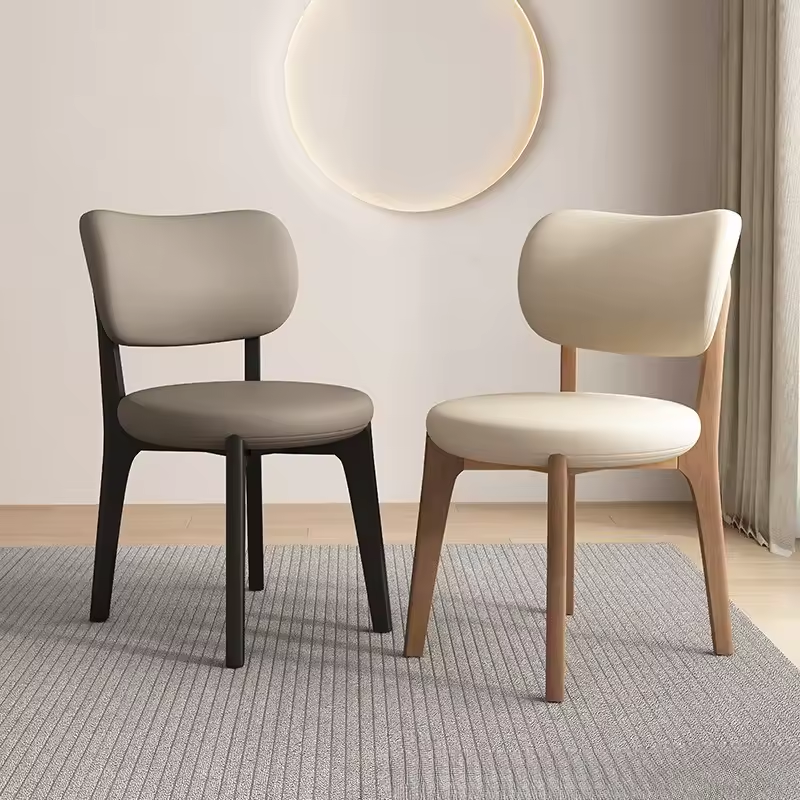
The Micro-Dining Dilemma: Spatial Integration & Selection Rules for Minimalist Seating
Designing for micro-apartments and compact urban dwellings presents a rigorous spatial challenge: furniture must fulfill continuous, heavy-duty utility while maintaining a minimal visual footprint. When you select minimalist Japandi ergonomic dining seating under 150kg load requirements, the overarching objective is eliminating visual weight. In rooms under 500 square feet, solid, boxy silhouettes absorb light and create an immediate sense of spatial congestion. The Muji and Japandi design philosophies counter this by prioritizing organic materials, open-frame architecture, and ergonomic simplicity.
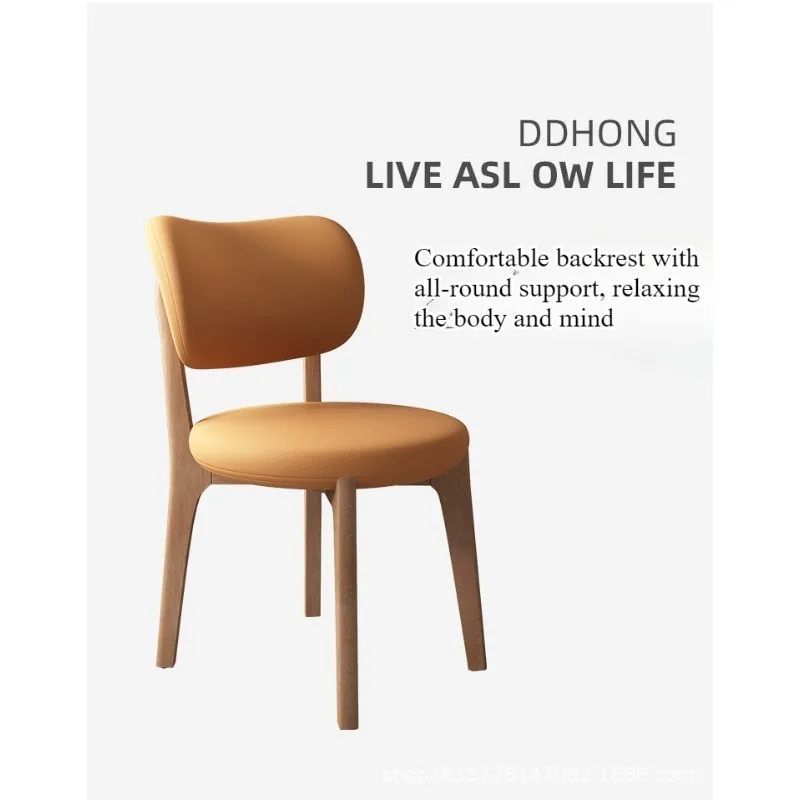
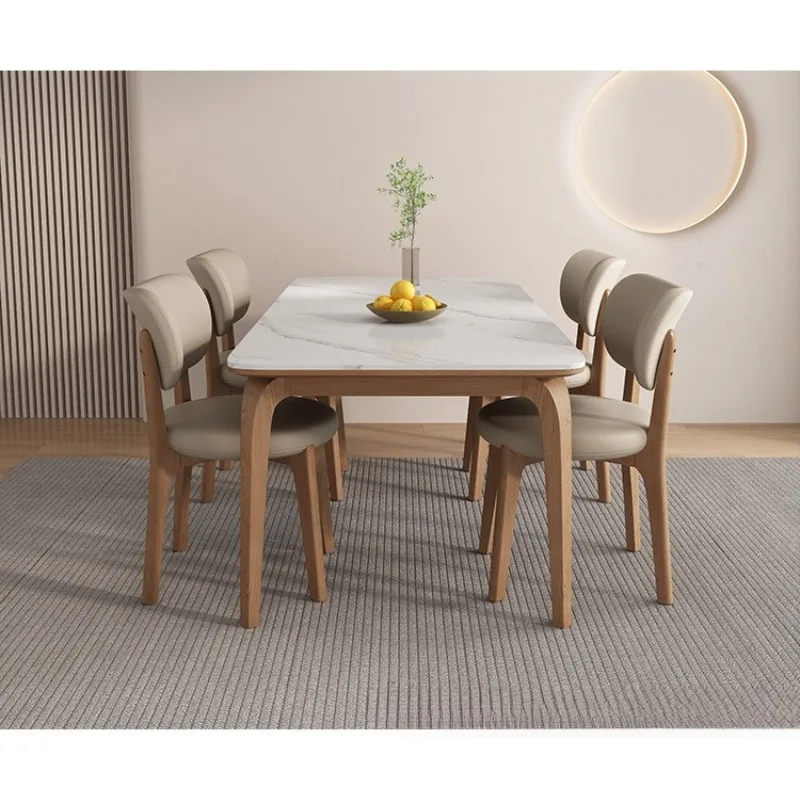
Evaluating the Kanso Solid Wood Curved-Back Dining Chair demonstrates how architectural geometry resolves small-space constraints. The continuous curved backrest cradles the lumbar spine while leaving the upper visual field unobstructed, allowing natural and artificial light to pass through the structure. To execute an error-free acquisition for a compact living zone, apply these primary selection rules:
- Prioritize Visual Permeability: The ratio of open air to solid frame must exceed 60%. Open backs and tapered cylindrical legs prevent the seating from anchoring the eye, making tight dining nooks appear expansive.
- Enforce Dual-Zone Adaptability: In micro-living, a dining chair rarely serves a single purpose. It must possess the structural posture support required for an eight-hour remote work session at a convertible dining desk, seamlessly transitioning to evening entertaining.
- Validate Weight-to-Strength Ratios: Lightweight mobility is non-negotiable. Seating should weigh under 6 kilograms to allow effortless repositioning across multifunctional zones while maintaining a verified structural load capacity of at least 150 kilograms.
- Demand Organic Tactility: In pared-back interiors, material quality replaces decorative ornamentation. Kiln-dried solid wood introduces essential warmth and biophilic texture, neutralizing the sterility of modern compact kitchens.
Dimensional Matrix & Spatial Clearance Analysis for Compact Living
Precision measurement is the foundation of small-space architectural planning. When you buy ash wood curved back chairs for tight dining nooks, millimeter-level discrepancies dictate whether a room functions effortlessly or feels chronically cramped. The geometry of the Kanso Solid Wood Curved-Back Dining Chair is engineered specifically for spatial economy, featuring a condensed footprint that tucks entirely beneath standard dining tables to reclaim walkway pathways when unoccupied.
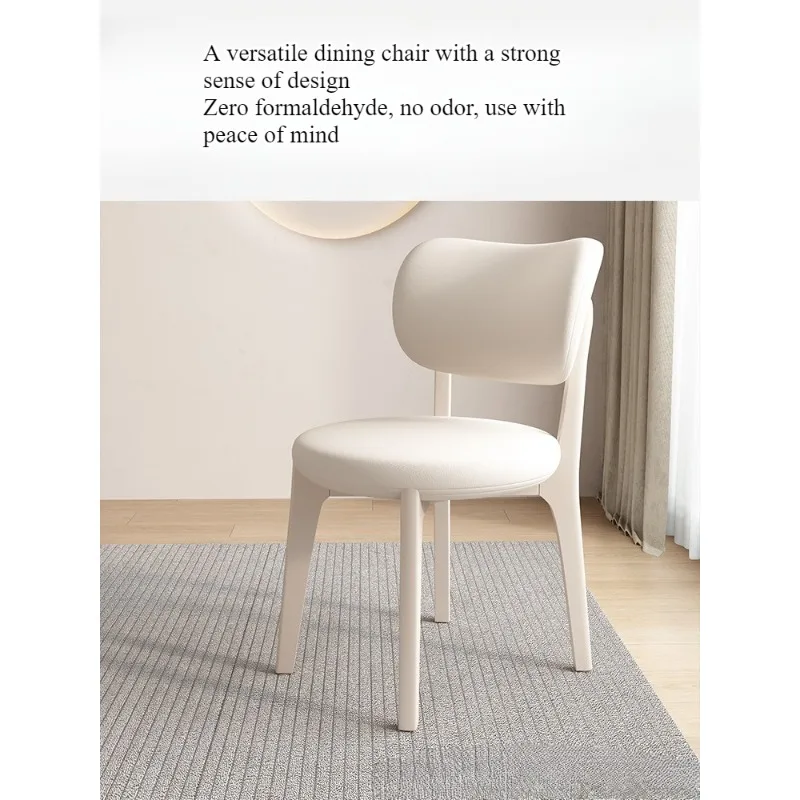
To prevent circulation bottlenecks in micro-apartments, enforce the following spatial clearance formulas prior to purchasing:
- The Push-Back Perimeter (90cm Rule): Measure a minimum distance of 90 centimeters from the dining table edge to the nearest wall or static obstacle. This guarantees a user can extend the chair backward to stand up without scraping drywall or disrupting traffic flow.
- The Apron Clearance Gap (25cm Rule): Maintain a vertical clearance of at least 25 centimeters between the seat height (45cm) and the underside of the dining table apron. This accommodates ergonomic thigh clearance and allows optional felt seat pads without compressing legroom.
- The Linear Span Allowance (60cm Rule): Allocate 60 centimeters of linear table width per chair. For a compact 120cm cafe table, two chairs represent the absolute structural limit to prevent elbow collision during use.
| Architectural Parameter | Verified Measurement / Specification | Small-Space Spatial Fit Analysis |
|---|---|---|
| Footprint Width x Depth | 46 cm x 48 cm | Ultra-compact profile; fits two chairs along a standard 100cm micro-dining table without overhang. |
| Total Vertical Height | 78 cm | Low-profile silhouette preserves sightlines across open-plan studio apartments. |
| Ergonomic Seat Height | 45 cm | Universal alignment with 75cm standard dining tables and minimalist office writing desks. |
| Structural Load Limit | 150 kg (330 lbs) | Commercial-grade stability supporting intensive daily usage as both dining and step-stool utility. |
| Material Composition | Kiln-Dried Solid Ash Wood | High warping resistance against indoor humidity fluctuations in compact studio kitchens. |
| Unit Frame Weight | 5.2 kg | Optimized mobility; effortlessly lifted with one hand for rapid floor cleaning or room reconfiguration. |
Build Engineering: Evaluating Joinery Mechanics and Material Longevity
Long-term performance in compact living depends entirely on structural integrity. When you assess joinery mechanics in small space Japandi furniture, evaluate how the frame absorbs dynamic stress. In micro-apartments, dining chairs endure accelerated wear—they are frequently pushed, dragged, pivoted, and utilized as makeshift step ladders to access high-storage cabinetry. Basic flat-pack furniture relying solely on cam-lock fasteners and particleboard degrades rapidly under such conditions.
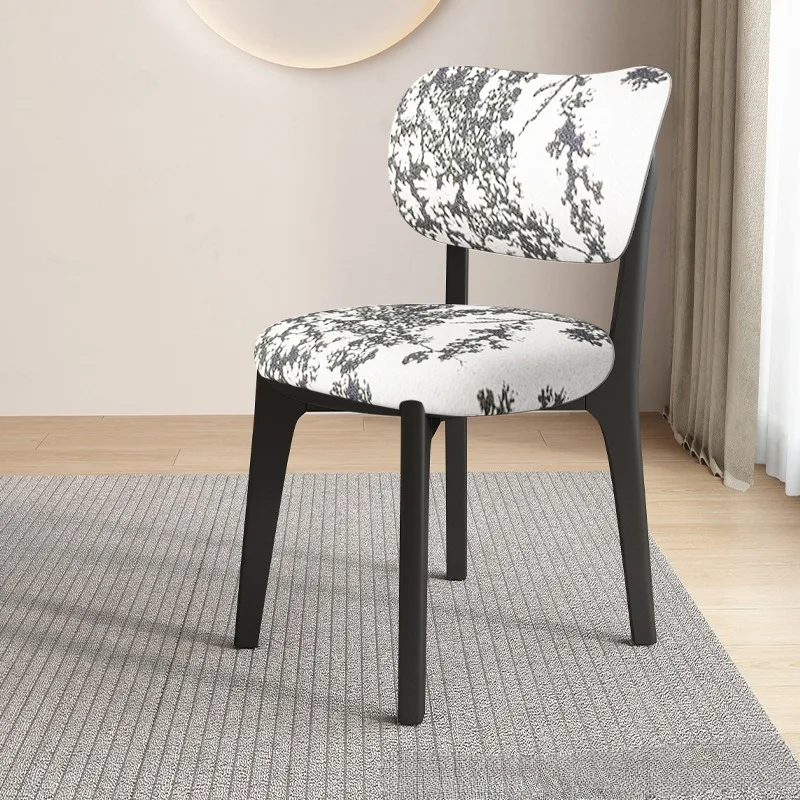
The engineering of the Kanso Solid Wood Curved-Back Dining Chair utilizes kiln-dried solid ash wood, a hardwood prized in architectural manufacturing for its exceptional shock resistance and dense, linear grain structure. The kiln-drying process reduces moisture content to a controlled 8-12%, eliminating the risk of warping, splitting, or joint expansion when exposed to the thermal variations common in compact studio kitchens.
- Mortise-and-Tenon Architecture: The primary leg-to-seat junctions utilize precision-milled mortise-and-tenon joints, reinforced with industrial-grade wood adhesives and internal bracing. This distributes structural loads evenly across the timber fibers rather than concentrating stress on metal screws.
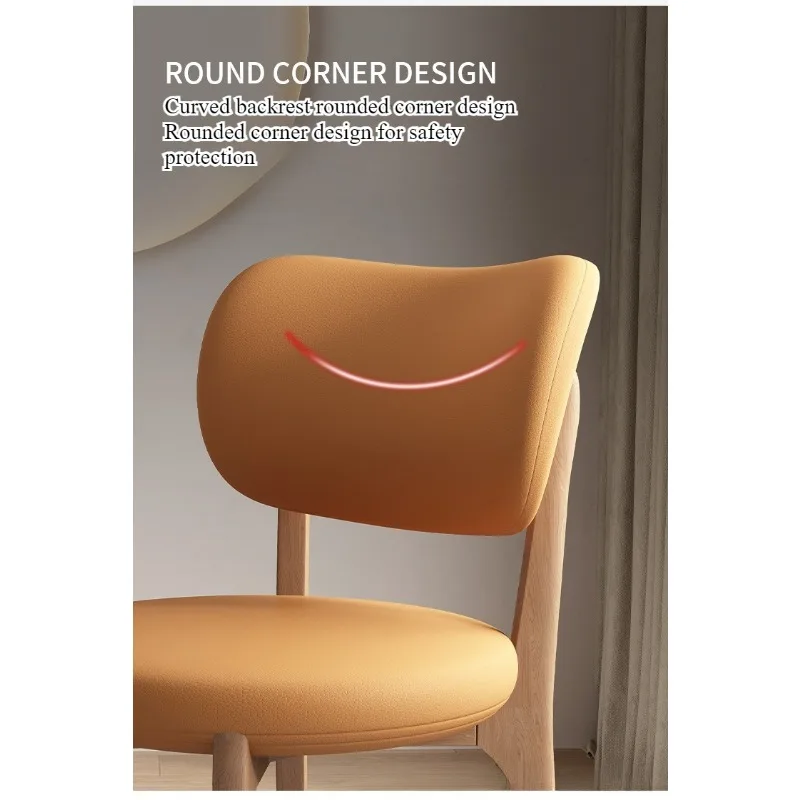
- Ergonomic Steam-Bent Backrest: The curved lumbar support is formed from continuous wood grain, utilizing controlled steam-bending techniques. This preserves the inherent tensile strength of the ash wood, preventing the micro-fractures associated with pieced-together laminated backrests.
- Matte Eco-Lacquer Sealing: The surface is treated with a VOC-free, multi-layer matte lacquer that penetrates the timber pore structure. This provides a resilient, hydrophobic barrier against culinary spills and surface staining while preserving the tactile, raw-wood texture central to Muji authenticity.
Performance Buying Logic: Structural Trade-Offs and Critical Red Flags
Every spatial selection involves functional compromises. To establish an authoritative evaluation framework, we must analyze Spatial Suitability, Structural Trade-offs, and Red Flags to Watch Before Buying. Understanding these realities prevents buyer remorse and ensures alignment with your specific daily routines.
Key Structural Trade-Offs:
- Firm Ergonomic Timber vs. Upholstered Plushness: The solid wood seat platform delivers superior spinal alignment and zero-maintenance sanitation—ideal for dining nooks prone to food spills. However, individuals requiring extended, cloud-like cushioning for 10-hour workdays must budget for an aftermarket low-profile felt or sheepskin seat pad to supplement the firm timber surface.
- Fixed-Frame Stability vs. Folding Modularity: Unlike folding or stacking chairs that collapse into storage closets, the fixed-frame construction of the Kanso Chair demands a permanent footprint. The trade-off yields immense structural benefits: absolute frame rigidity, zero mechanical squeaks over time, and a verified 150kg load capacity that folding mechanisms cannot match safely.
5 Critical Buying Mistakes to Avoid in Small Apartments:
- 1. Ignoring Under-Table Armrest Collision: Purchasing chairs with elevated armrests or high-profile side braces that strike the table apron prevents tucking, permanently stealing 50 centimeters of walkway space in tight kitchens.
- 2. Overlooking Floor Glide Compatibility: Deploying raw timber legs directly onto hardwood or luxury vinyl tile (LVT) flooring causes acoustic reverberation and surface scratching. Always verify the inclusion of, or install, high-density wool-felt acoustic glides prior to placement.
- 3. Selecting Visual Monoliths: Choosing fully upholstered, floor-to-seat parsons chairs blocks natural light propagation, instantly shrinking the perceived square footage of compact rooms.
- 4. Neglecting Humidity Exposure Limits: Placing untreated or low-grade veneered furniture adjacent to kitchen steam vents or radiator heating elements causes rapid delamination and joint failure within a single seasonal cycle.
- 5. Mismatched Timber Undertones: Pairing cool-toned Scandinavian ash frames with yellow or red-heavy oak flooring creates visual friction. Ensure your spatial palette maintains consistent timber color temperature across all permanent installations.
Layout Orchestration: Lighting Pairings and Final Decision Framework
Integrating the Kanso Solid Wood Curved-Back Dining Chair into a micro-apartment requires strategic layout orchestration. In a standard 400-square-foot studio, position a compact round or rounded-edge square dining table adjacent to a natural light source. The curved backrest of the seating will catch morning sunlight, casting soft, architectural shadows that enhance the perceived depth of the room without adding physical clutter.
To maximize spatial harmony, execute these specific styling and lighting pairings:
- Deploy Warm Diffused Pendant Lighting (2700K - 3000K): Suspend a matte porcelain or rice-paper pendant light exactly 75 centimeters above the dining tabletop. This color temperature highlights the rich, organic grain of the ash wood while establishing an intimate dining zone distinct from the surrounding functional living areas.
- Anchor with a Low-Pile Acoustic Rug: Define the dining micro-zone using a flat-weave wool or sisal area rug extending 60 centimeters beyond the table edges. This dampens impact noise in multi-story urban buildings while visually locking the furniture arrangement in place.
- Harmonize with Biophilic Elements: Pair the timber silhouettes with stoneware ceramics and sculptural indoor foliage (such as a Ficus Audrey or potted olive tree). This reinforces the calm, earth-grounded sensory experience foundational to Muji aesthetics.
Final Buyer Decision Matrix:
- Proceed with Acquisition If: You inhabit a compact urban apartment or studio; you require durable, multi-functional seating that transitions seamlessly between dining and remote desk work; you value architectural joinery, biophilic solid wood textures, and visual spatial efficiency over bulky ornamentation.
- Pivot to Alternative Solutions If: You require ultra-portable seating that must fold flat and hang inside a utility closet when not in use; your physical requirements mandate high-backed, heavily upholstered executive lumbar support for medical reasons; or your existing floor plan cannot accommodate the mandatory 90-centimeter push-back perimeter.
Spatial Guidance FAQs: Solving Common Small-Space Seating Doubts
What is the minimum dining table footprint required to accommodate two of these solid wood chairs comfortably?
For linear placement along one side of a table, you need a minimum table length of 100 centimeters to allow both chairs to sit side-by-side without leg interference. For opposite-facing arrangements, a compact 70cm x 70cm square table or an 80cm diameter round table represents the optimal spatial footprint for small-space dining nooks.
How does natural kiln-dried ash wood perform against daily spills in a combined kitchen and dining studio?
Kiln-dried ash treated with a multi-stage matte lacquer offers high resistance to standard household spills, including water, coffee, and oil. To maintain the protective seal, wipe spills immediately with a damp microfiber cloth and avoid abrasive chemical cleaners or citrus-based solvents that can degrade the matte finish over time.
Can the Kanso Solid Wood Chair function effectively as a full-time home office desk chair?
Yes, the 45cm seat height aligns perfectly with standard 75cm work desks, and the steam-bent curved backrest provides active thoracic and lumbar support that prevents slouching. For users working sessions exceeding six continuous hours, pairing the chair with a tailored 2cm low-profile high-density foam or felt seat cushion is recommended to optimize lower-body pressure distribution.
What maintenance is required to prevent structural joint loosening over extended use?
Because the frame utilizes precision mortise-and-tenon joinery reinforced with structural adhesives rather than basic cam-lock hardware, routine mechanical tightening is rarely necessary. To ensure maximum longevity, keep indoor relative humidity between 30% and 60% to prevent extreme seasonal timber contraction, and inspect floor glides annually for uneven wear.
Architectural Guide Authored by: Elena Vance, Senior Interior Architect & Ergonomics Consultant | 14+ years of specialized experience in minimalist Japandi spatial design, bespoke joinery evaluation, and compact urban living optimization across US and European residential sectors.


