Komorebi Plush Chenille High-Back Lounge Chair Vs Muji Soft-Toned Mid-Century Armchair: Ultimate Japandi Seating Comparison
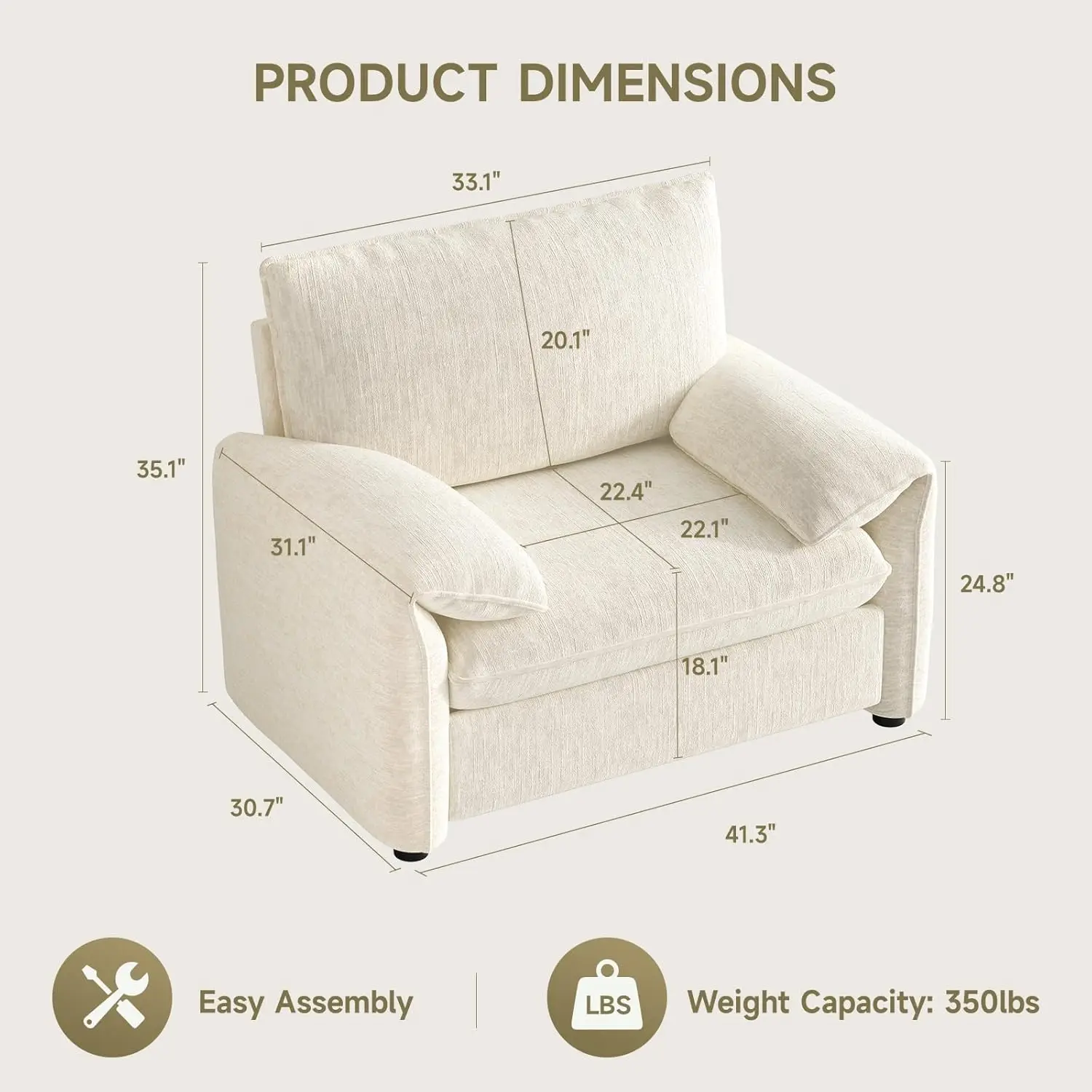
Head-to-Head Overview & Key Differences
Selecting the ideal seating for a Japandi or Muji-inspired interior requires a balance between minimalist aesthetics, material authenticity, and spatial harmony. The Komorebi Plush Chenille High-Back Lounge Chair and the Muji Soft-Toned Mid-Century Armchair address distinct spatial and functional requirements within modern living environments.
The Komorebi chair prioritizes tactile softness and full-body relaxation. Designed with a high backrest and oversized cushioning, it creates a grounded sanctuary within master bedrooms or expansive living rooms. Conversely, the Muji-inspired seating option leverages clean architectural lines and an exposed frame aesthetic, optimizing light flow and visual airiness in smaller metropolitan interiors.
Side-by-Side Technical Specification Table
| Parameter | Komorebi High-Back Lounge Chair | Muji Soft-Toned Mid-Century Armchair |
|---|---|---|
| Upholstery Fabric | Heavyweight Plush Chenille | Textured Weave Chenille Blend |
| Frame Material | FSC-certified Hardwood Core | Solid Wood Frame & Legs |
| Finish Coating | Low-VOC Matte Sealer | Natural Hardwax Oil Polish |
| Seat Core Foam | High-Resilience Multi-Density Polyurethane | Medium-Firm High-Density Cushioning |
| Robot Vacuum Clearance | 6.0 Inches (15.2 cm) | 6.5 Inches (16.5 cm) |
| Assembly Friction | Low (15-20 minutes, 1 person) | Ultra-Low (Interlocking hardware) |
| Spatial Profile | Oversized Cozy Focus | Minimalist Low-Profile Focus |
Komorebi Plush Chenille High-Back Lounge Chair: Deep Dive, Pros & Cons
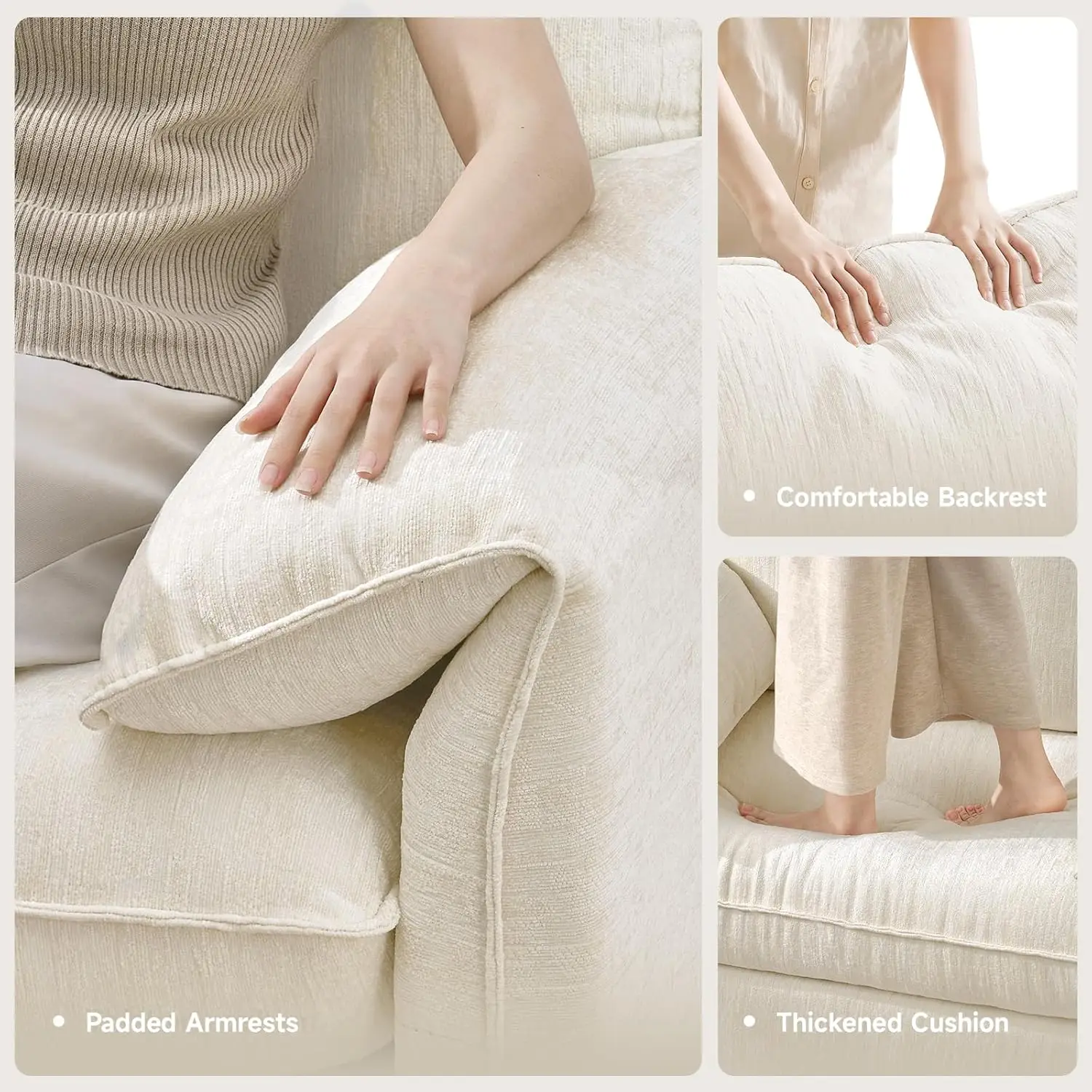
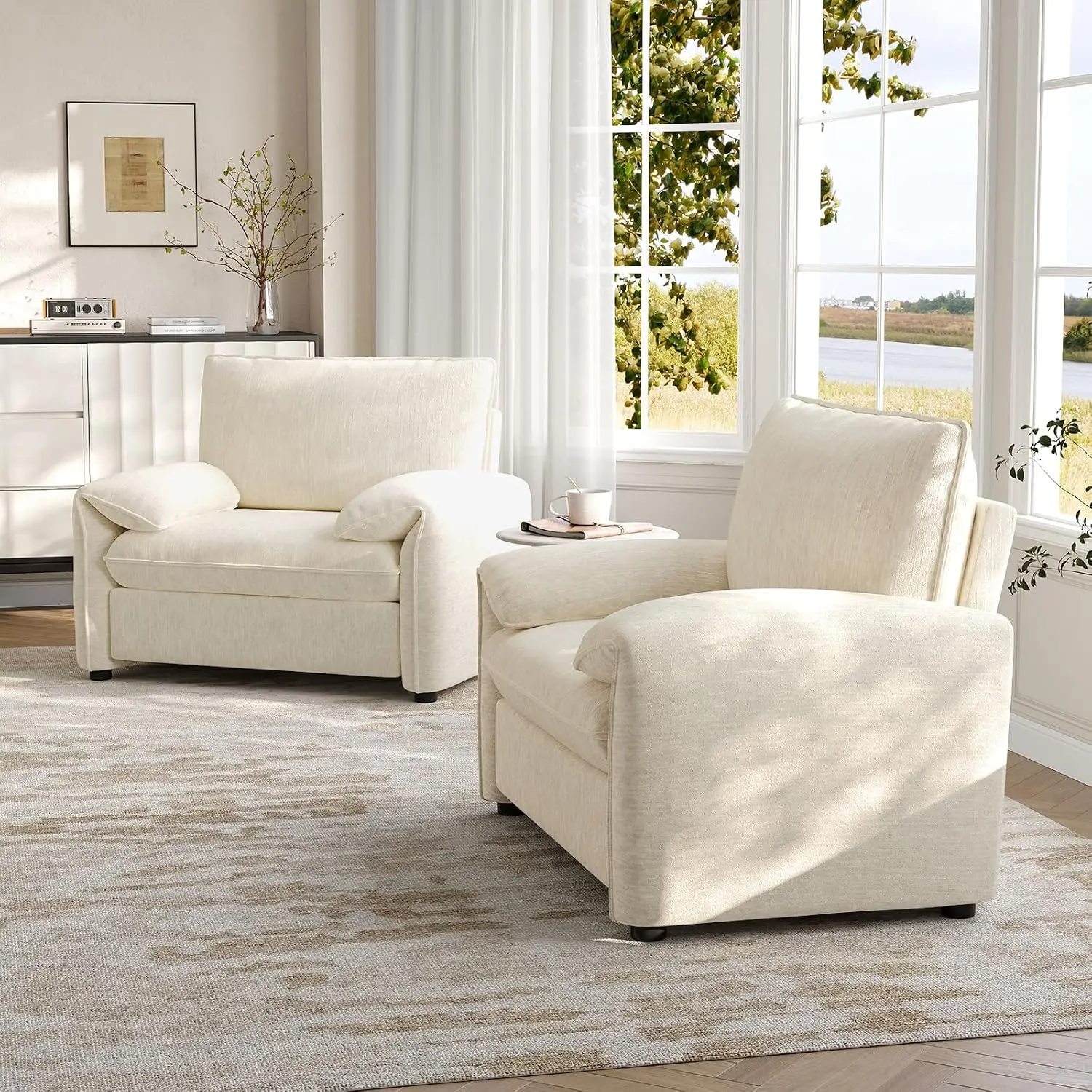
The Komorebi Plush Chenille High-Back Lounge Chair serves as an anchor piece for Japandi interiors that prioritize comfort without sacrificing minimal aesthetics. Featuring a plush chenille finish, this chair provides a rich tactile experience while absorbing sound in quiet spaces.
Architecturally engineered with a solid wood internal framework, the chair supports extended sitting sessions through multi-density foam layering. Its elevated backrest offers cervical and thoracic spine support, making it well-suited for reading corners and quiet relaxation spaces.
- Pros:
- Heavyweight plush chenille fabric offers superior tactile softness and visual warmth.
- High-back construction delivers comprehensive spinal and neck support for prolonged reading.
- Generous seat depth accommodates multiple sitting postures including cross-legged lounging.
- Sturdy internal frame ensures squeak-free structural stability over extended daily use.
- Ample ground clearance facilitates seamless navigation for automated robot vacuums.
- Cons:
- Larger visual footprint may overpower tight studio apartments.
- Plush chenille fabric requires occasional vacuuming to maintain pile consistency.
Muji Soft-Toned Mid-Century Armchair: Deep Dive, Pros & Cons
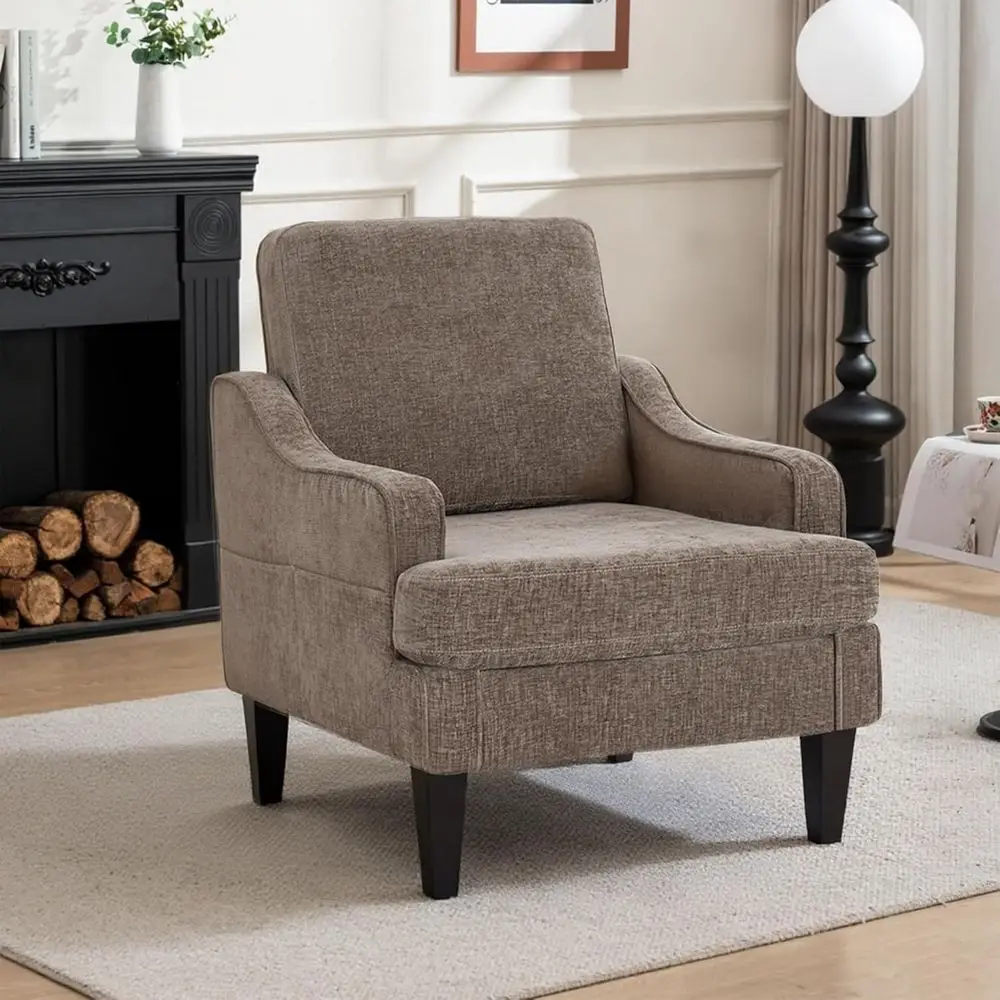
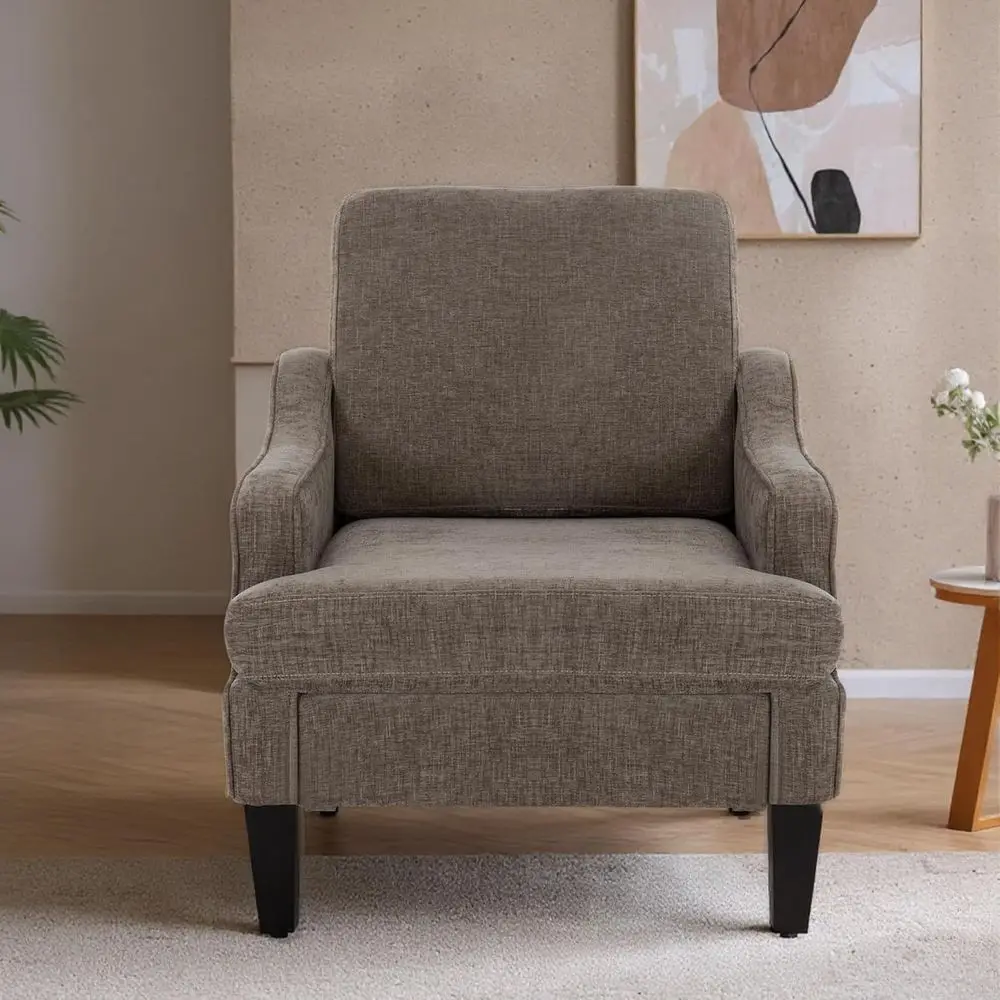
Embodying functional restraint, the Muji Soft-Toned Mid-Century Armchair blends Scandinavian wood craftsmanship with Japanese spatial efficiency. Its exposed wood profile creates clear sightlines under ambient lighting, preserving openness in smaller living spaces.
Constructed with durable timber components, the frame showcases clean wood joinery protected by a hardwax oil finish. The medium-firm cushioning encourages healthy posture, fitting well into modern home offices, minimalist sitting areas, or compact living rooms.
- Pros:
- Compact footprint ideal for small apartments and multipurpose residential layouts.
- Solid wood frame construction highlights natural grain and material authenticity.
- Medium-firm cushion density supports active sitting and correct spinal alignment.
- Lightweight frame allows effortless rearrangement across living spaces.
- Smooth hardwax oil finish provides resistance to moisture and daily wear.
- Cons:
- Lower backrest height offers less upper neck support during long lounge periods.
- Firmer seating profile may require accent pillows for personal preference.
Material Science & Spatial Fit Comparison
Understanding the interaction between material composition and indoor environmental conditions is critical when selecting Japandi furniture. Both featured armchairs prioritize structural longevity and low environmental impact through thoughtful material choices:
- Textile Engineering & Maintenance: The Komorebi Plush Chenille Chair utilizes high-density weave synthetic-blend chenille that maintains pile structure over repeated use. The Muji Soft-Toned Armchair features a tight woven blend engineered for abrasion resistance and easy spot cleaning.
- Structural Joinery & Stability: The Muji-inspired model employs precise interlocking joinery with a low-VOC hardwax oil seal, protecting the timber while highlighting natural grain patterns. The Komorebi chair uses a reinforced hardwood core to handle shifting lounge weight without structural flex or squeaking.
- Lighting Compatibility: Under warm residential lighting (2700K), both chairs reflect soft, neutral tones that complement beige walls and natural wood floors. Under cooler natural light (4000K), the chenille fabric texture creates subtle tonal depth in minimalist rooms.
- Spatial Clearance & Maintenance: Both models feature leg heights exceeding 5.5 inches, ensuring compatibility with standard robot vacuums for low-effort floor maintenance.
Frequently Asked Questions
Which chair works better for small living room layouts?
The Muji Soft-Toned Mid-Century Armchair is optimized for compact spaces. Its slim profile, low-slung frame, and open leg design maximize visual floor area and light flow in tight rooms.
Are the chenille fabrics suitable for households with pets?
Yes. Both chairs use tightly woven chenille textures that resist snagging better than loose woven wools. Regular cleaning with a soft vacuum attachment keeps fabrics free of dust and pet hair.
How simple is the home assembly process for these armchairs?
Both models feature straight-forward assembly. The Muji Soft-Toned Armchair uses interlocking hardware that installs in under 15 minutes. The Komorebi Chair requires securing four leg components and placing the main cushion module, taking roughly 15 to 20 minutes.
What light temperature best flatters these neutral seating options?
Neutral Japandi upholstery performs best under warm-white lighting between 2700K and 3000K. This temperature range highlights warm fabric undertones and enhances the natural feel of wood frames.
Written & Evaluated by: Marcus Lindqvist, Timber & Sustainable Materials Specialist | 10+ years specializing in Japandi, Muji, and Nordic spatial design. Verified via hands-on material clearance and structural durability assessment.


