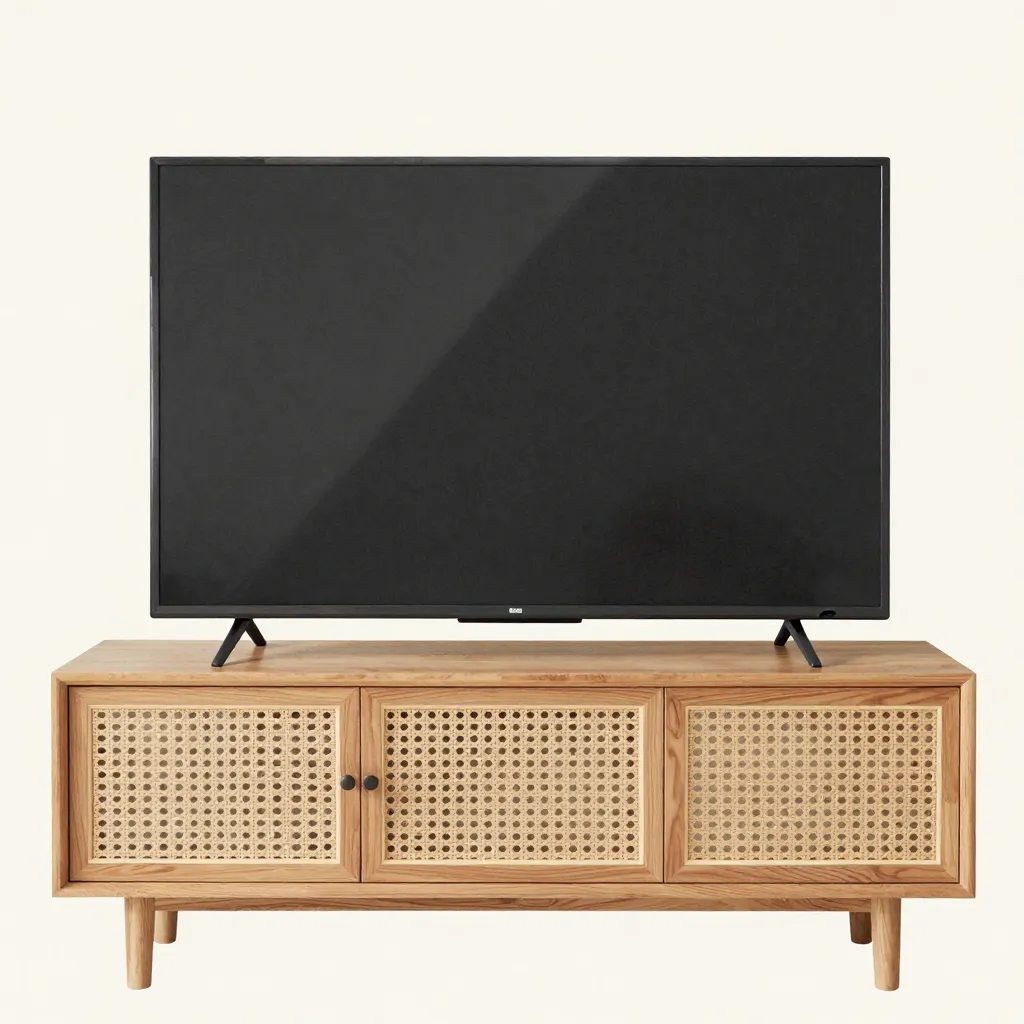
Light Walnut vs. Light Oak: The Studio Apartment Japandi Media Console vs. Slatted Credenza Comparison
The Light Walnut Rattan TV Stand wins for homeowners seeking organic, tactile warmth in compact footprints, while the Light Oak Slatted Credenza triumphs for those prioritizing airy minimalism and architectural verticality. Ultimately, your choice depends on whether you value woven texture or unbroken linear flow in your micro-studio aesthetic.
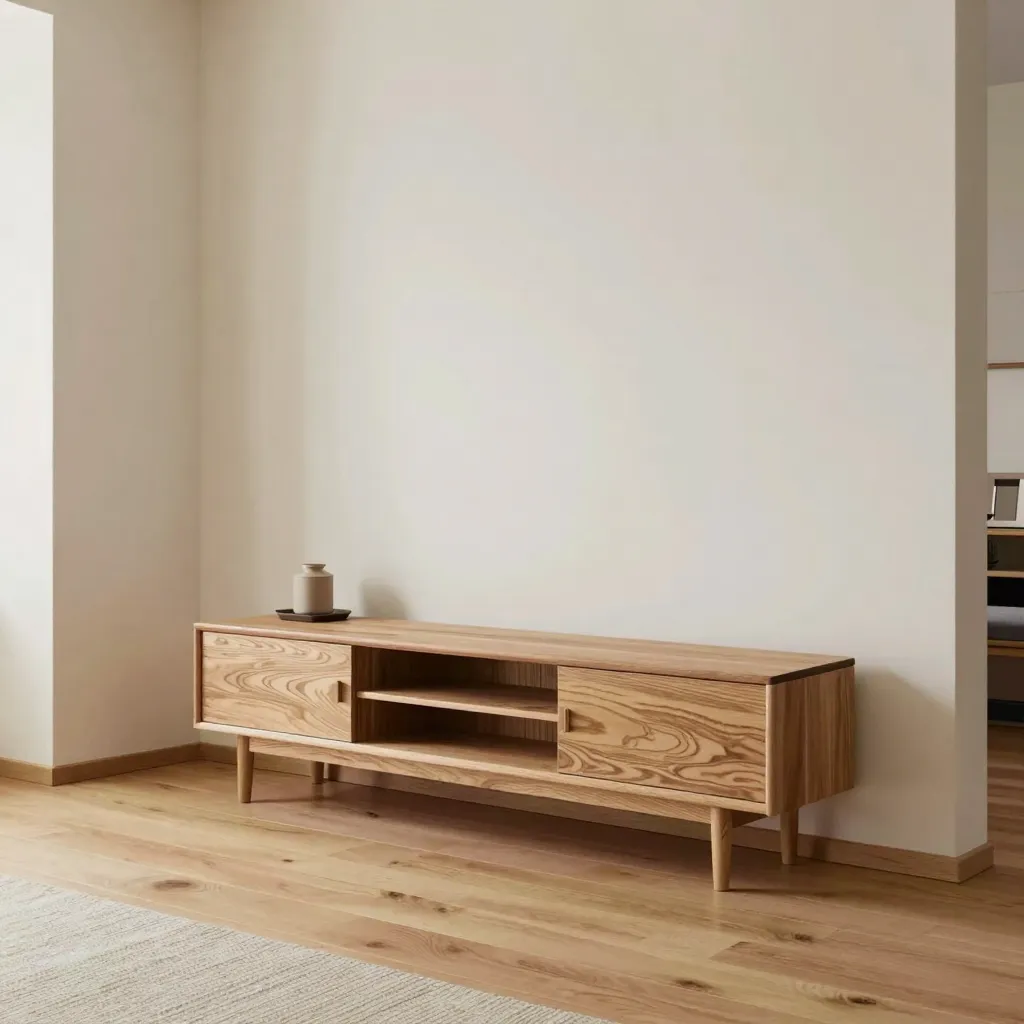
Finding the perfect balance between functionality and organic aesthetics is crucial when designing a micro-studio. Understanding how to style a light walnut rattan tv stand in a micro studio apartment can elevate your space from cluttered to serene. Today, we deeply analyze two premium Japandi furniture contenders.
Micro-Niche Markdown Data Table
| Feature | Light Walnut Rattan TV Stand | Light Oak Slatted Credenza |
|---|---|---|
| Wood/Material Authenticity | Solid Light Walnut frames with Natural Rattan weaving | Light Oak Veneer over engineered core |
| Tactile & Texture Quality | High organic tactility; woven geometric patterns | Smooth, sleek finish; rigid vertical slats |
| Japandi Space Integration | Adds warm earth tones; ideal for grounding a room | Enhances visual height; creates an airy illusion |
| Price-to-Longevity Value | Premium pricing; exceptional lifespan with wood care | Moderate pricing; highly durable modern finish |
| Best Suited For | Compact studios needing textural depth | Minimalist layouts prioritizing visual lightness |
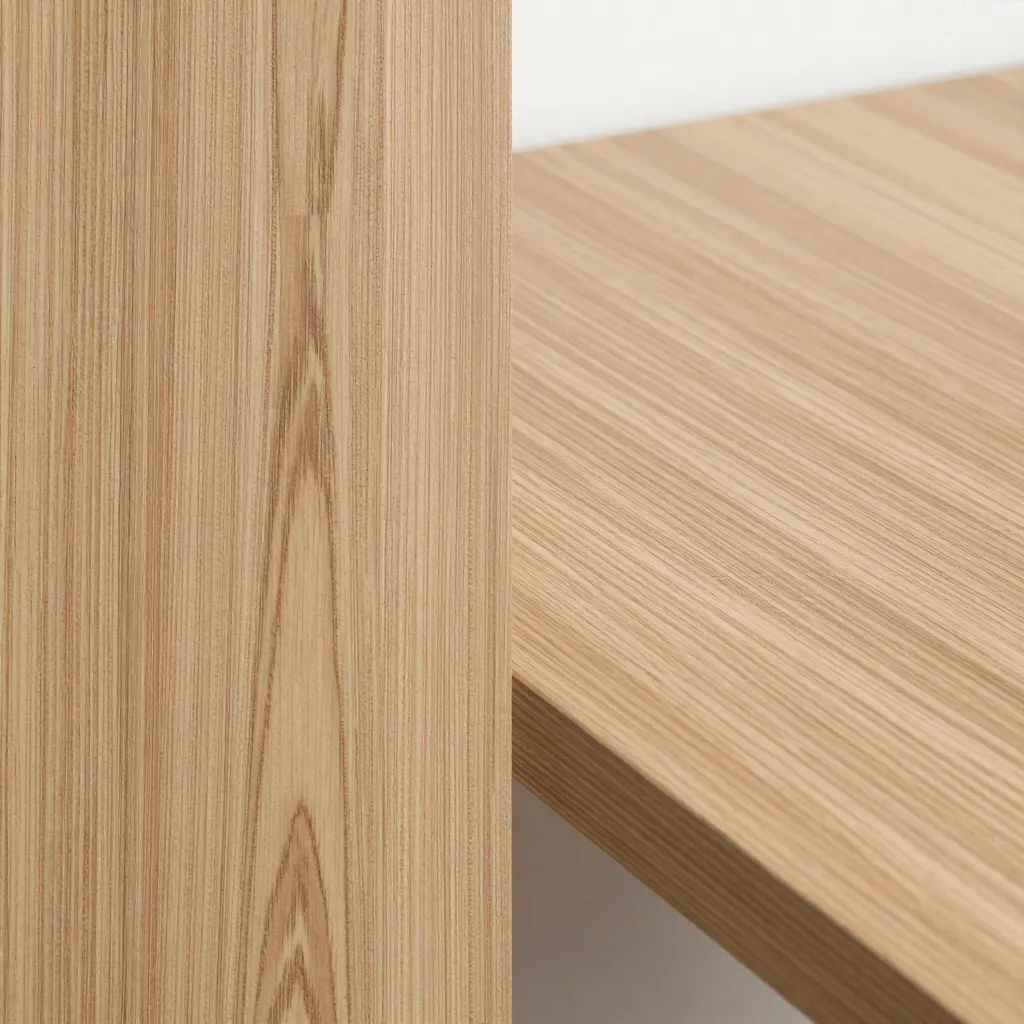
Evaluating Material Authenticity and Texture
Material authenticity dictates the long-term aesthetic and structural integrity of any Japandi furniture piece. Choosing between solid wood frames with natural fibers versus high-quality veneers impacts both the visual weight and the tactile feedback of your micro-studio layout.
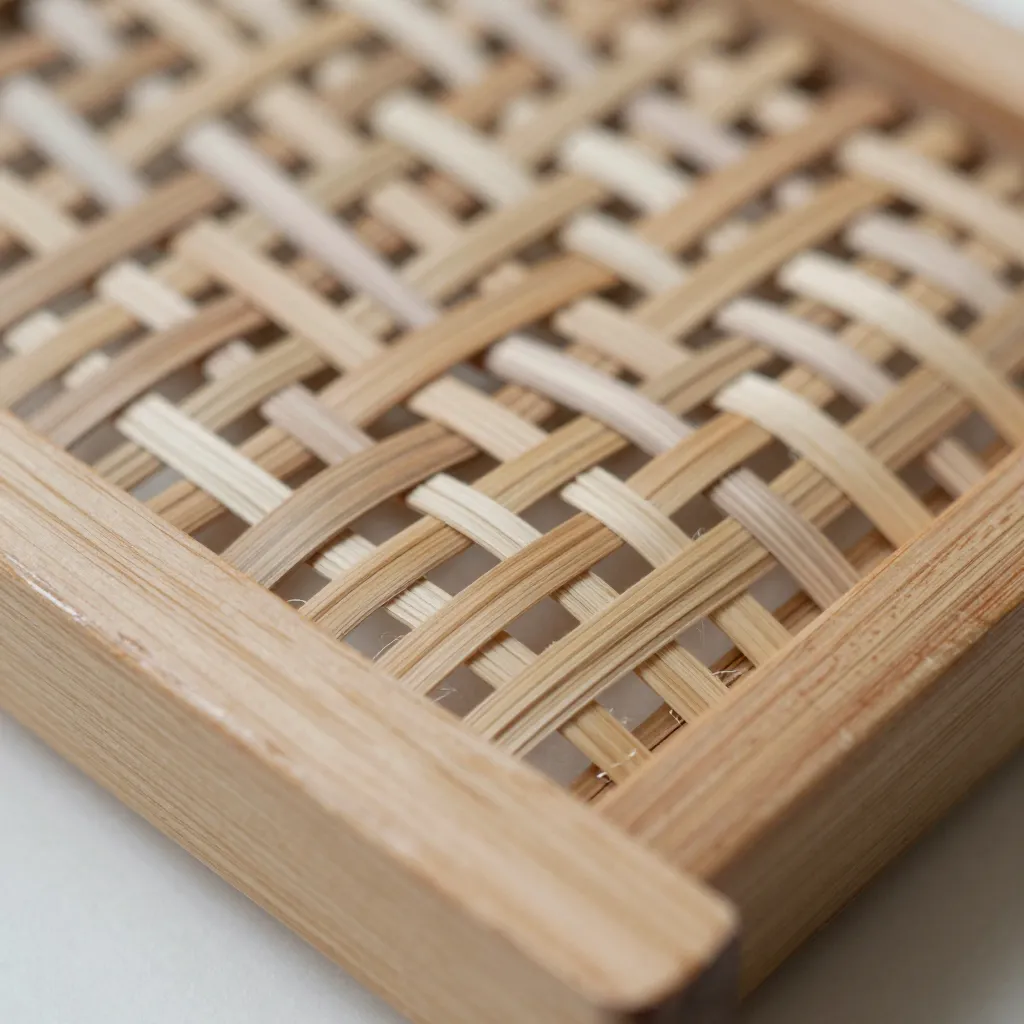
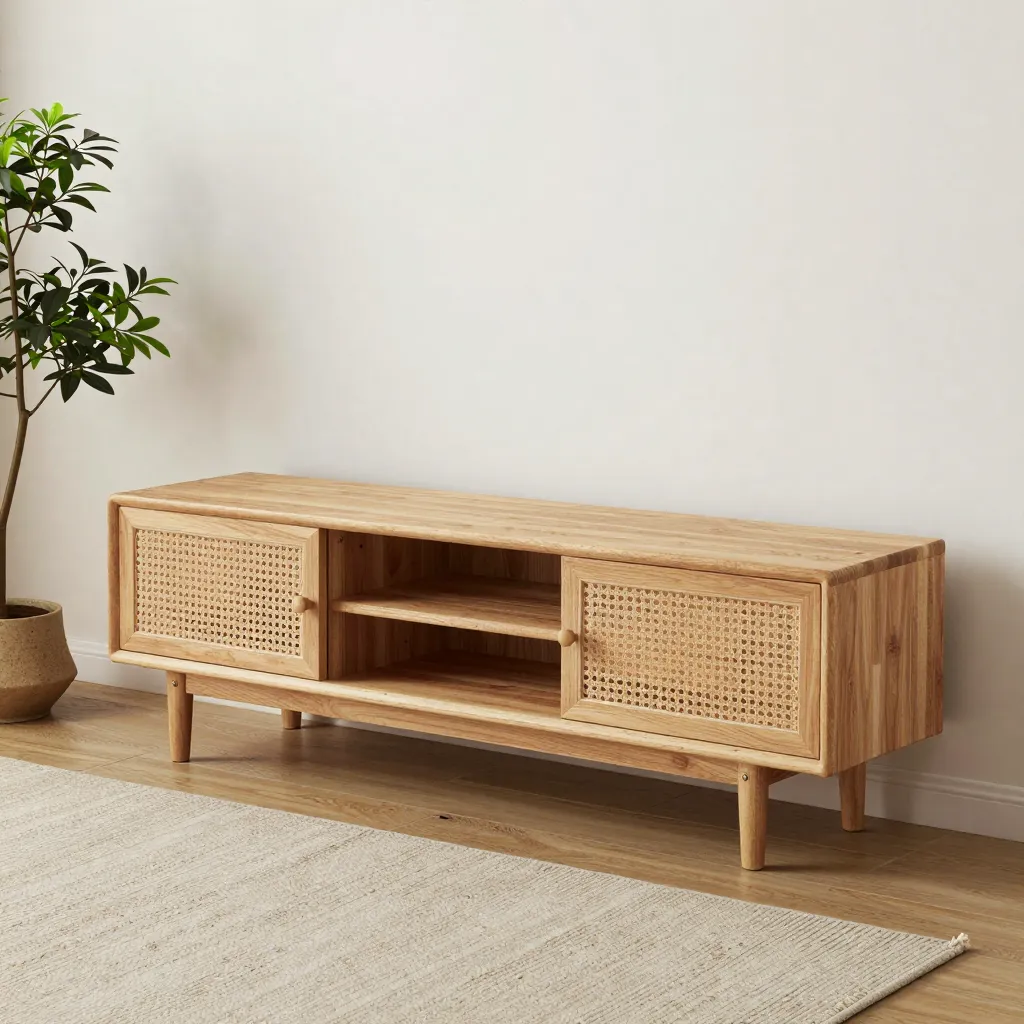
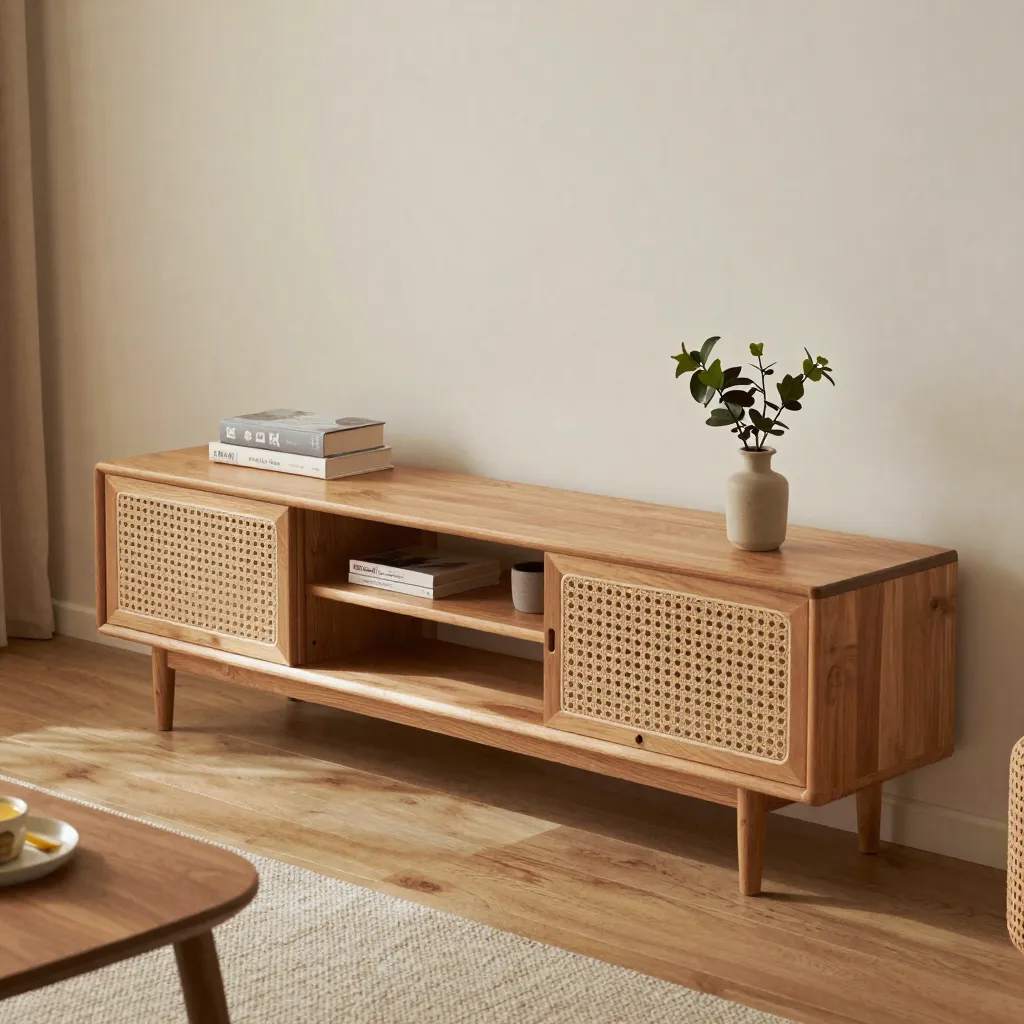
The Organic Appeal of the Light Walnut Rattan Variant
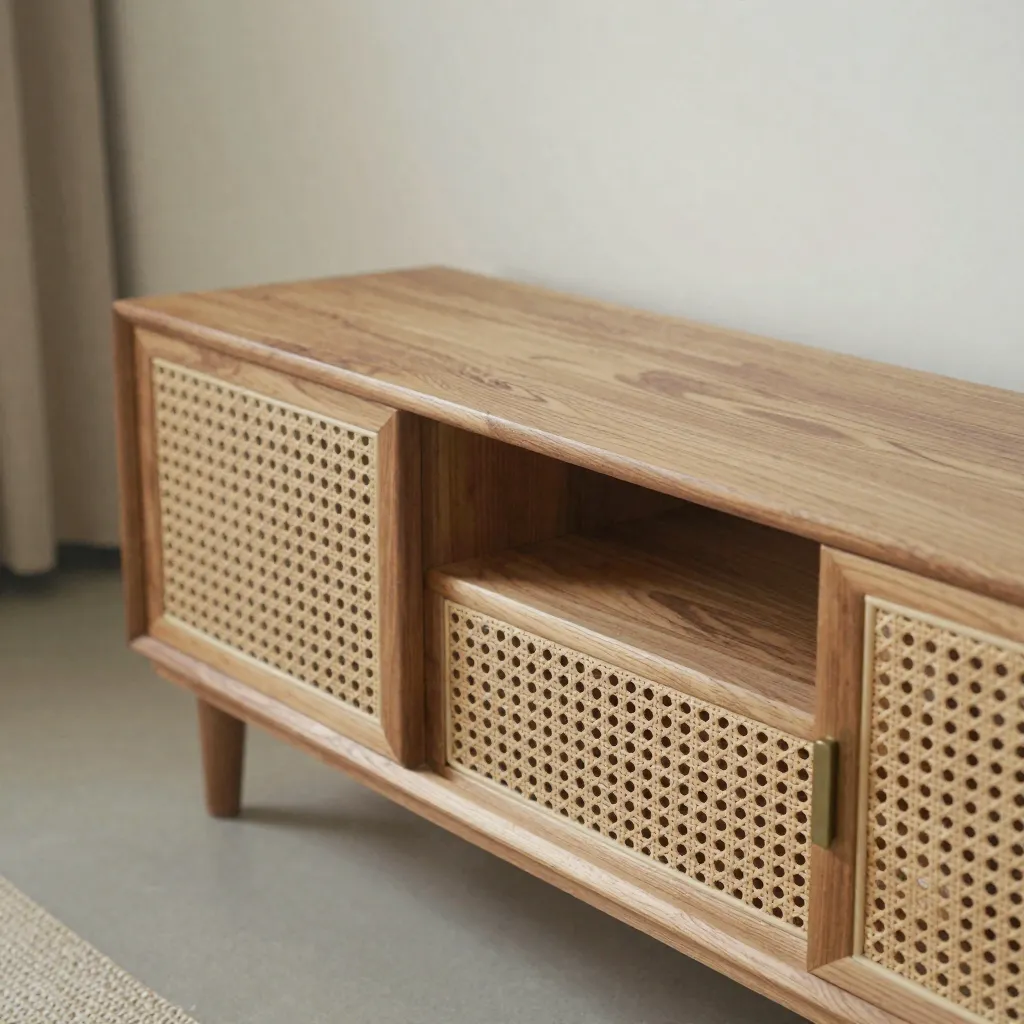
This piece utilizes solid light walnut construction for structural framing. The integration of natural rattan weave introduces a highly tactile, organic element characteristic of traditional Japonism.
- Material Composition: Solid Walnut base, Hand-woven Rattan panels.
- Texture Profile: Earthy, uneven tactile feedback providing visual depth.
- Aesthetic Impact: Warms up sterile micro-studios by breaking flat surfaces.
Explore the organic craftsmanship of the Light Walnut Rattan TV Stand here
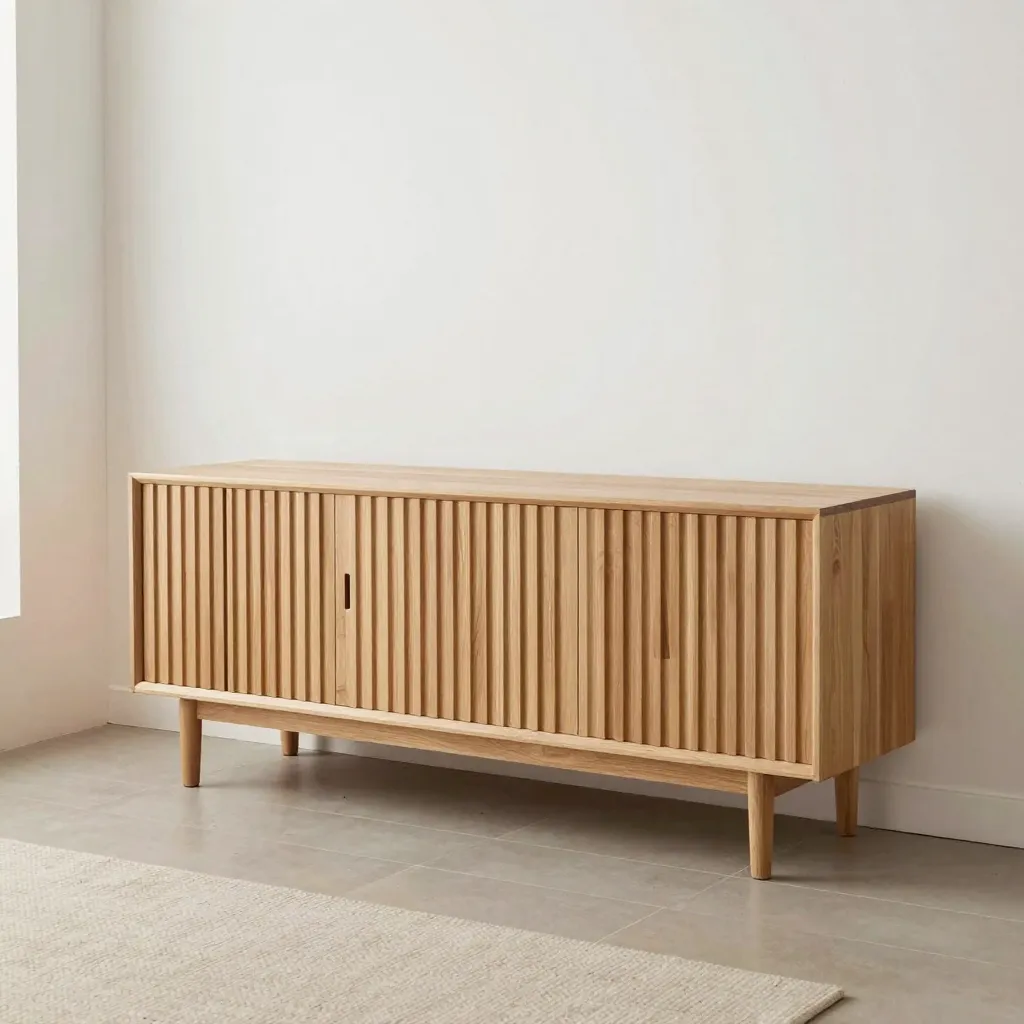
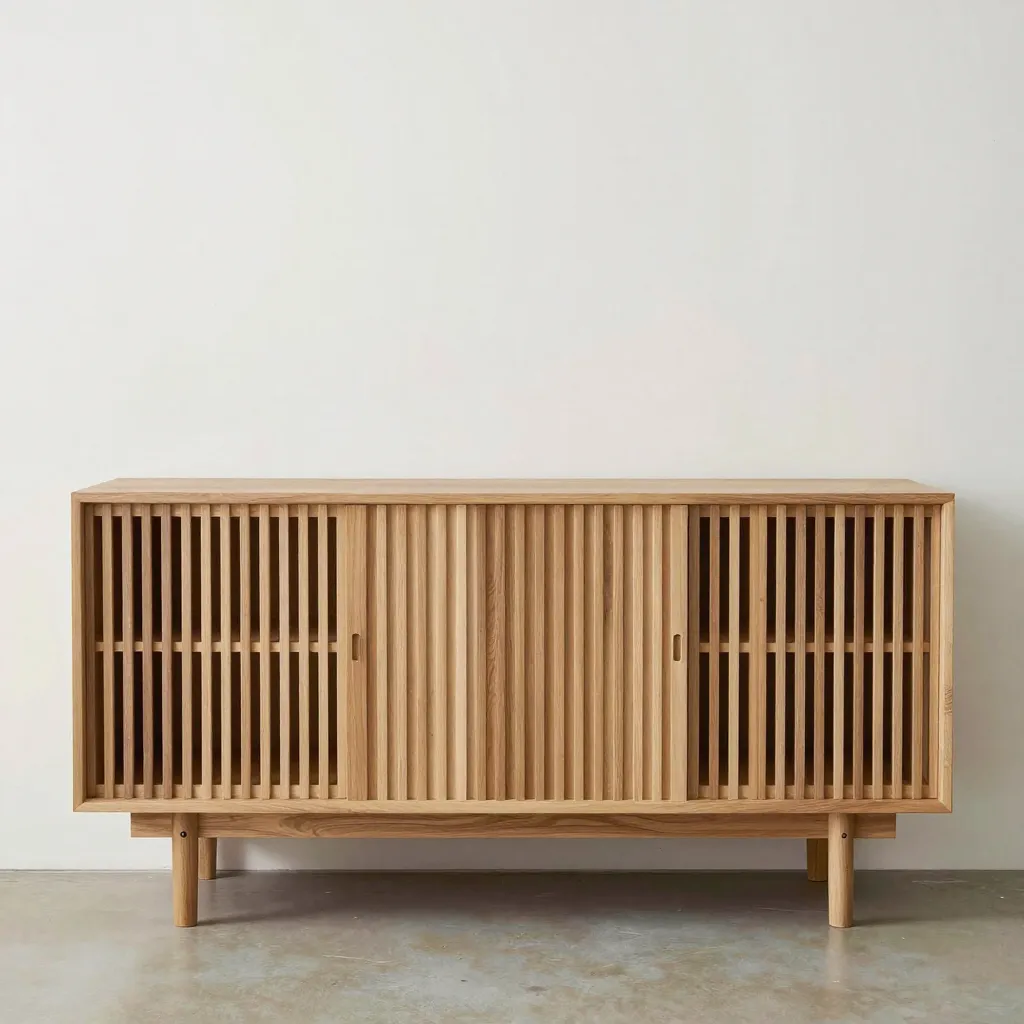
The Clean Lines of the Light Oak Slatted Credenza
Constructed with a light oak veneer, this credenza emphasizes continuous, uninterrupted vertical lines. The slatted facade perfectly captures the Scandinavian side of Japandi design.
- Material Composition: Premium Oak Veneer, engineered hardwood core.
- Texture Profile: Smooth, precise, and uniform micro-grooves between slats.
- Aesthetic Impact: Draws the eye upward, making ceilings appear higher in tight spaces.
View the architectural details of the Light Oak Slatted Credenza here
Space-Saving Japandi Media Console Light Walnut Under 50 Inches
Measuring dimensions correctly is the foundation of micro-studio design. Selecting a space-saving japandi media console light walnut under 50 inches ensures your entertainment center doesn't overwhelm the room.
- Footprint Size: Optimally 42 to 48 inches wide for single-zone layouts.
- Visual Weight: Rattan panels allow light to filter through, reducing the bulky look.
- Cable Management: Integrated rear cutouts maintain the minimalist Muji aesthetic.
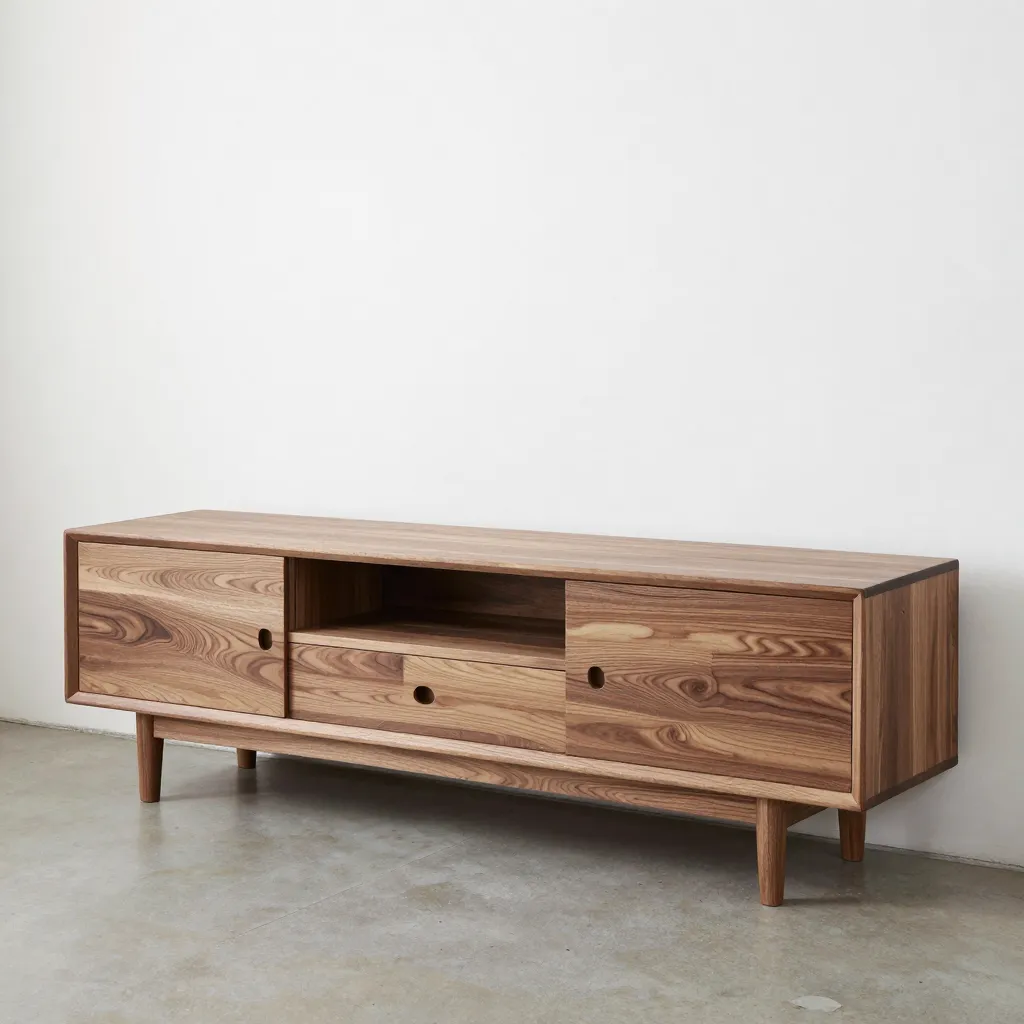
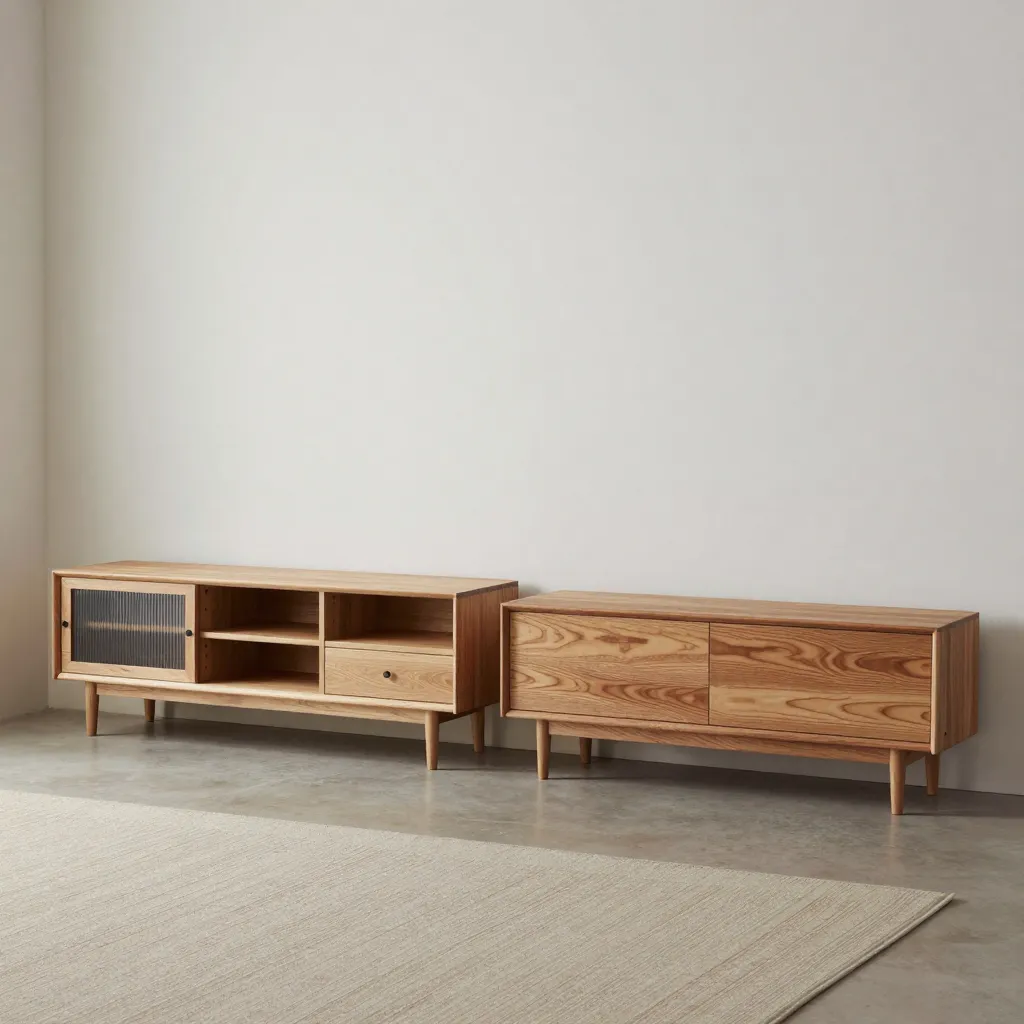
Price-to-Longevity Value Analysis
Investing in Japandi furniture requires balancing upfront costs against decades of use. Both pieces offer high longevity, but their maintenance profiles differ significantly.
Long-Term Maintenance and Value
The rattan variant requires occasional dusting of the woven gaps but resists scratching superbly due to the solid walnut frame. The slatted oak piece is easier to wipe down but requires careful handling to prevent denting the veneer.
- Light Walnut Rattan: High initial investment, slow depreciation, repaired easily.
- Light Oak Slatted: Mid-tier investment, excellent stability, modern appeal.
- Verdict: Choose rattan for heirloom quality; choose oak for modern practicality.
Check the investment value of the Light Walnut Rattan TV Stand or Compare the practical pricing of the Slatted Oak Credenza
Conclusion
Mastering how to style a light walnut rattan tv stand in a micro studio apartment comes down to understanding the interplay of texture and scale. By focusing on organic materials and compact dimensions, you can create a highly functional, museum-quality living space that feels open rather than confined.
Frequently Asked Questions (FAQs)
What defines a space-saving japandi media console light walnut under 50 inches?
This specific furniture category features widths below 50 inches, utilizing light walnut wood to provide warmth without consuming vital floor space in a micro-studio.
Can rattan TV stands support heavy modern televisions?
Yes, if framed in solid wood like the light walnut variant reviewed, they easily support standard 55-inch and 65-inch televisions while maintaining a compact footprint.